Many organizations offer a 401(k) savings program which can grow into significant amounts for their retirees. This requires individuals to transfer a portion of their wages into the account. The benefit is enhanced when the employer matches a portion of the amount deducted from take-home pay. These programs enable people to have sizable savings at retirement time. Depending upon the situation for everyone it could amount to $50,000 or $500,000 or even more.
My wife and I participated in my employer’s 401(k) plan. A traditional 401(k) is one of the retirement accounts that is generally subject to Required Minimum Distributions (RMDs) after a certain age, based on IRS rules. After I retired, my wife and I appreciated receiving a portion of our savings each year in the form of an RMD.
Another benefit happens during the years that the RMD provides more than we need for ourselves. During these years we make contributions to charities we support through our 401(k) savings. It is simple to do plus it reduces our income taxes. If the amount we want to donate is distributed to us we pay income taxes on it. Then we donate the amount to the charity. If, however, the distribution to the charity comes directly from the 401(k) plan, it happens without us paying taxes on the additional income.
Below are examples of making donations with and without the account.
Donations we make without utilizing the retirement saving:
- We receive $1,000 from the plan.
- We pay taxes on this amount. Depending on one’s income it can vary from nothing to 5% or 20% or even more of the amount. Therefore, nothing, $50 or $200 is paid to our government.
- Then we make a charitable donation of the amount left. This means the charity receives $950 to $800.
Donations made utilizing our 401(k)account:
- We direct the plan to send $1,000 directly to the charity.
- We pay no taxes on that.
- This example shows how donating directly to a nonprofit helps in eliminating taxes while making our RMDs from our 401(k) savings.
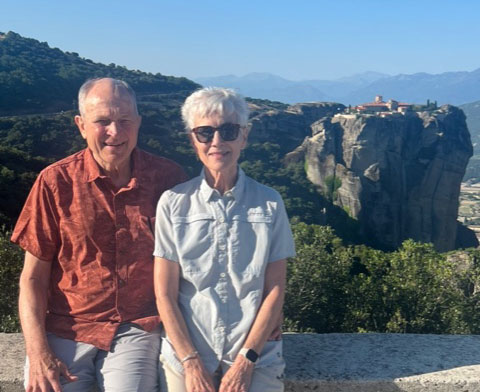
Making a charitable gift from your Required Minimum Distribution (RMD) can be a meaningful way to support the mission of a nonprofit. For Cathy and me, donating is a way to support our community and show gratitude for all we have received. There is great satisfaction in giving to others, especially when we can support the causes we care about most. When we think about “leaving a legacy,” we hope our gifts will continue to touch lives and make a meaningful impact for generations.
Because the rules governing RMDs, as well as Qualified Charitable Distributions (QCDs), and retirement accounts vary based on each individual’s circumstances, it’s best to consult with your financial advisor, tax professional, or attorney before making a gift. These professionals can help determine the approach that best aligns with your financial goals and ensures compliance with current tax laws.
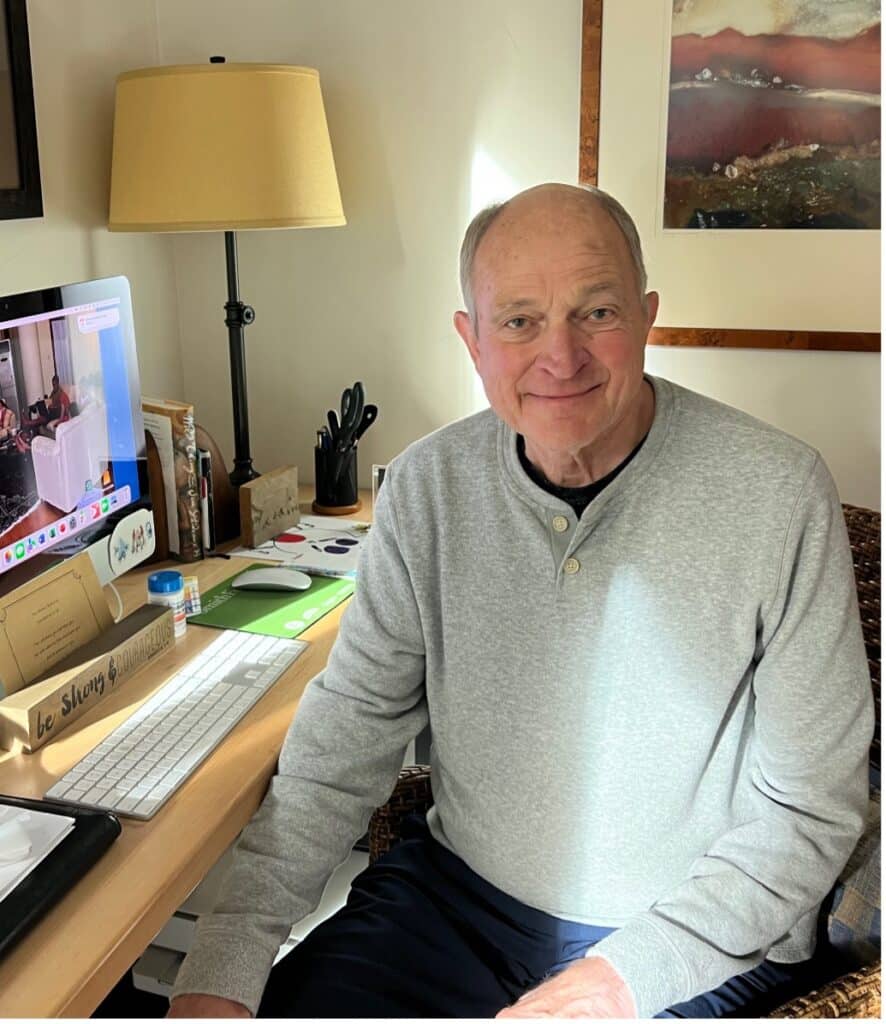
Steve Schmid began volunteering with IFCS after he and his wife moved to Englewood from Ohio in June, 2025. He retired from a position which required him to analyze many projects, write reports and articles, and create engaging presentations. Now, he’s happy to contribute those skills in his Volunteer Core position at IFCS.
Thank you Steve!
IFCS Disclaimer: The information provided on this website is for general informational purposes only and should not be considered legal, tax, financial, or investment advice. We are not authorized to provide advice regarding your personal financial or tax situation. Please consult your own qualified professional advisors before making decisions about charitable giving or retirement account distributions.
If you are considering a donation to IFCS from your 401(k), please contact our Development Director with questions or to have a conversation about programs or needs you would like your gift to support. Thank you for including IFCS in your charitable giving, estate, and legacy planning.